Roof Inspection Drones
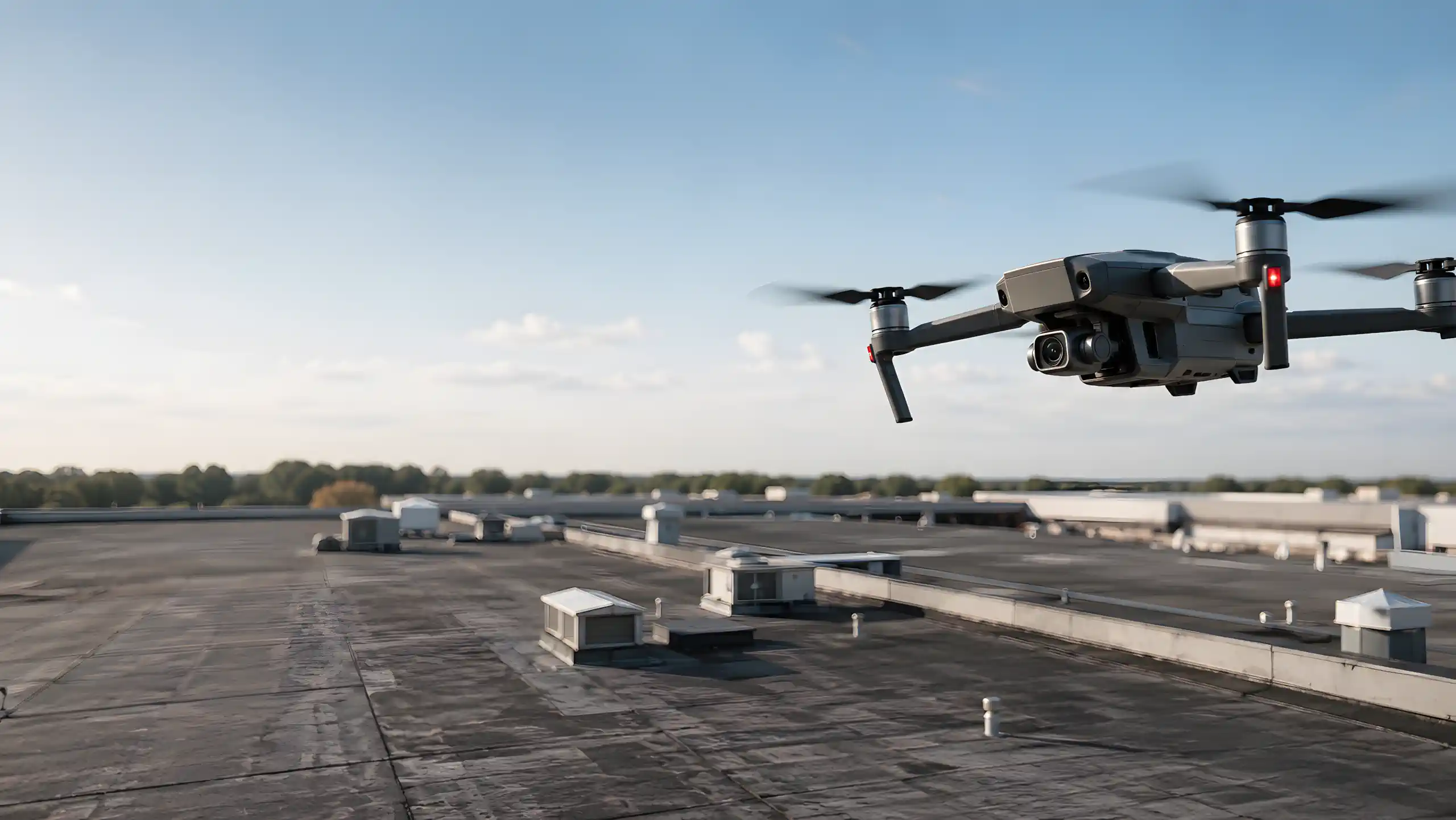
Professional roof inspection drone systems for visual condition assessment, defect documentation, thermal inspection, and roof data collection. Compare commercial and NDAA-compliant configurations built around the inspection result you need.
Ready-to-Deploy
Verified Specifications
U.S. Support
NDAA & Commercial Options
Select the Right Drone System
Describe what you need the drone system to do, or use our guided selector.
Loading selector...
ROOF CONDITION INSPECTIONS
DAMAGE & DEFECT DETECTION
THERMAL & MOISTURE INSPECTIONS
OOF MEASUREMENTS & DOCUMENTATION
Roof Inspection Drones
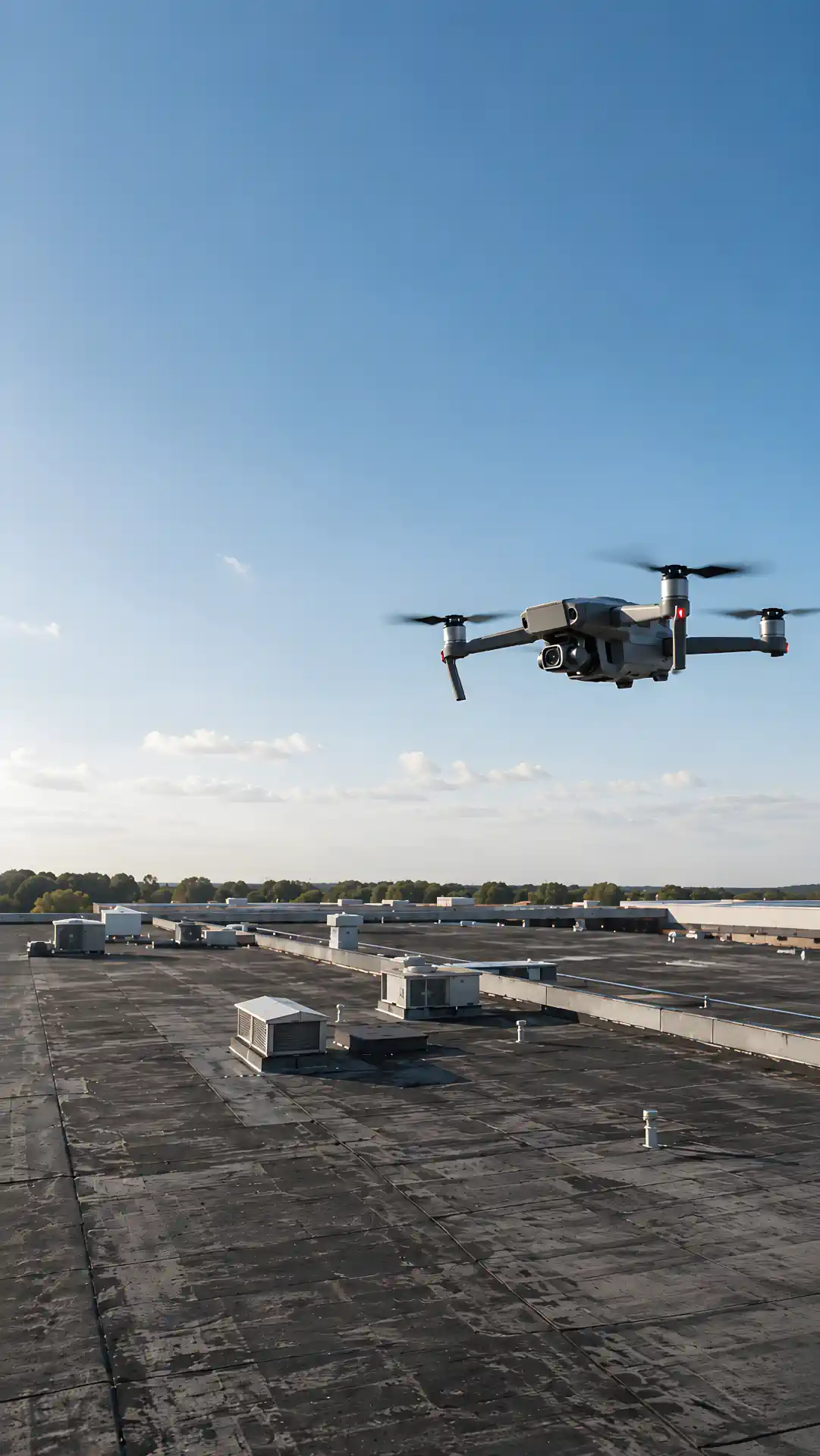
Find a ready-to-deploy drone system for roof assessments, thermal inspections, damage detection, and detailed documentation.
Ready-to-Deploy
Verified Specifications
U.S. Support
NDAA & Commercial Options
Select the Right Drone System
Describe what you need the drone system to do, or use our guided selector.
Loading selector...
ROOF CONDITION INSPECTIONS
DAMAGE & DEFECT DETECTION
THERMAL & MOISTURE INSPECTIONS
OOF MEASUREMENTS & DOCUMENTATION
On this page:
NDAA Solutions
Commercial Solutions
Types of work
Software
FAQ
Overview
NDAA-COMPLIANT ROOF INSPECTION DRONE SYSTEMS
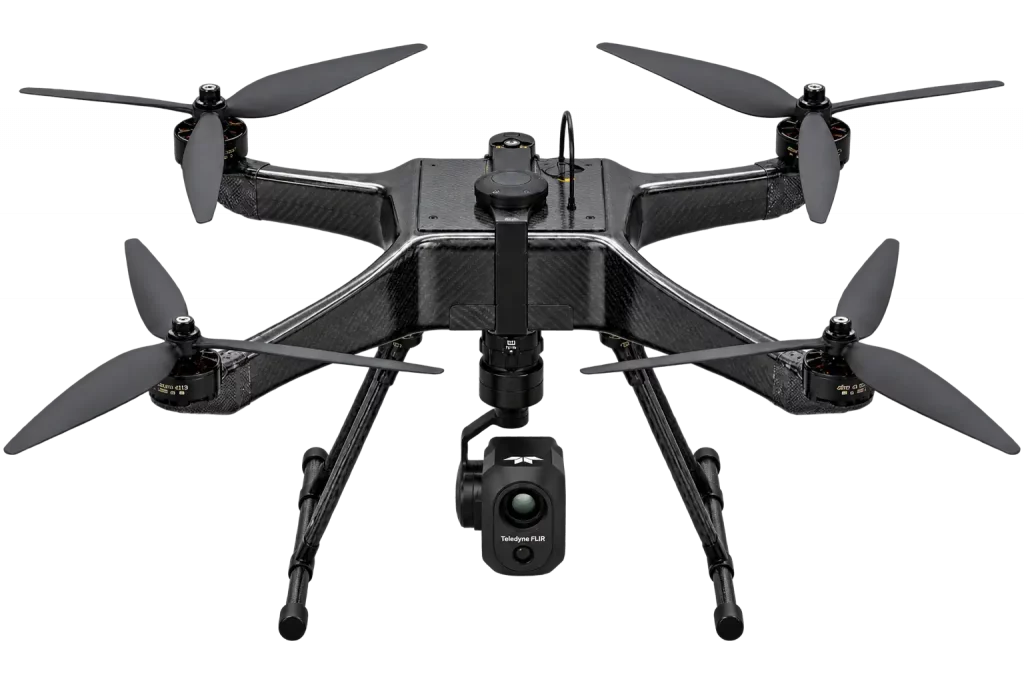 ✓ VERIFIED SOLUTION
- 35 minFlight Time
- 6 miOperating Range
- 64 MPRGB Resolution
- 640 × 512Thermal Resolution
- YesRadiometric
From $26,490
View System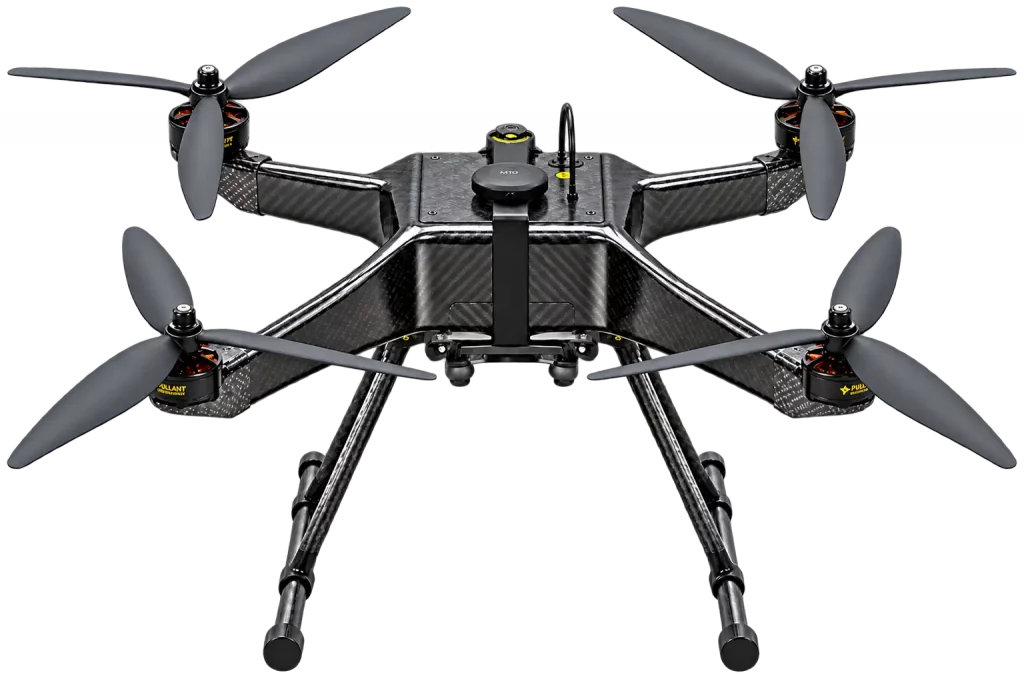
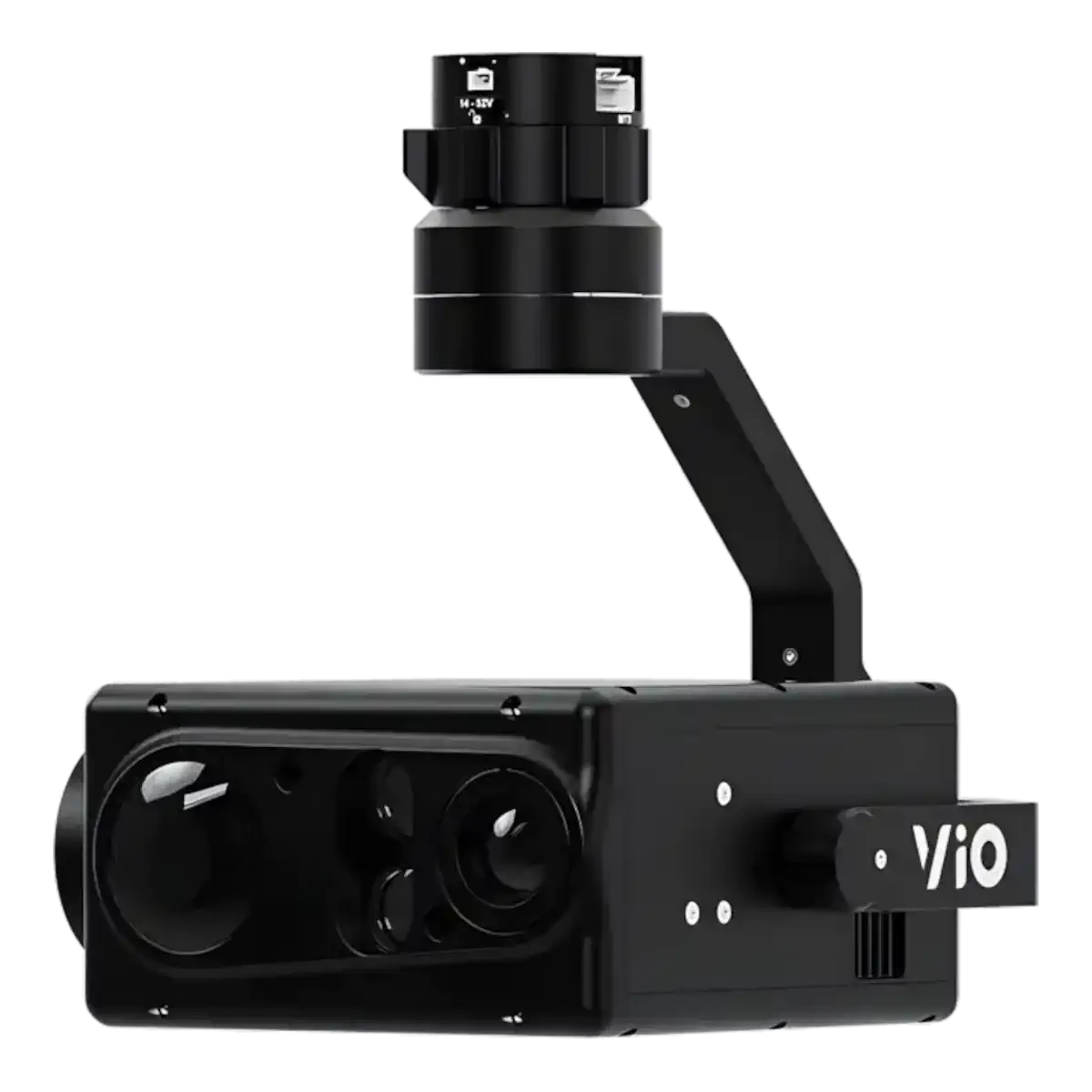
- 35 minFlight Time
- 3.5 miOperating Range
- 8.51 MP still; 3840x2160 4K videoRGB Resolution
- 20×Optical Zoom
- 640 × 512Thermal Resolution
- YesRadiometric
From $33,599
View SystemCOMMERCIAL ROOF INSPECTION DRONE SYSTEMS
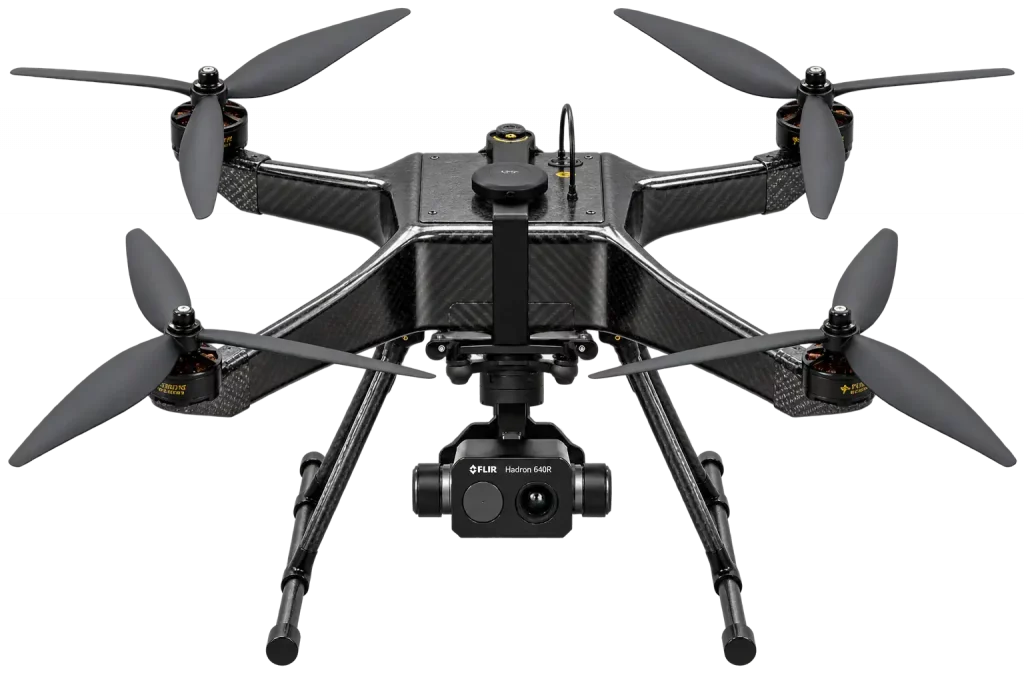 ✓ VERIFIED SOLUTION
Kinetic Analytics
Raven Thermal Inspection System
- 35 minFlight Time
- 6 miOperating Range
- 8 MPRGB Resolution
- 640 × 512Thermal Resolution
- YesRadiometric
From $8,490
View SystemKinetic Analytics
Raven UAV Platform
- 35 minFlight Time
- 3.5 miOperating Range
- 8.51 MP still; 3840x2160 4K videoRGB Resolution
- 20×Optical Zoom
- 640 × 512Thermal Resolution
- YesRadiometric
From $18,599
View SystemChoosing a Roof Inspection Drone System
Start with the inspection task, required data, and operating conditions rather than a specific drone model.
DEFINE THE INSPECTION GOAL
Determine whether the job is primarily about documenting roof condition, locating visible defects, thermal screening, measurements, or recurring inspection records.
DEFINE THE REQUIRED OUTPUT
Decide whether the final deliverable needs detailed RGB imagery, annotated findings, thermal data, measurements, maps, or inspection reports.
DEFINE THE SMALLEST FEATURE
Identify the smallest seam, flashing detail, puncture, fastener, membrane defect, or other roof feature that must be documented.
DEFINE WORKING DISTANCE AND ROOF CONDITIONS
Consider roof height, surface area, edges, HVAC equipment, obstacles, wind exposure, and the distance the aircraft must maintain from the target.
MATCH THE CAMERA AND AIRCRAFT
Select the imaging capability, flight performance, payload support, and positioning required to collect usable data under those conditions.
CONFIRM COMPLIANCE AND COMPLETE KIT
Confirm NDAA requirements when applicable, along with batteries, controller, software, accessories, and support.
COMPARE COMPLETE SYSTEMS
Compare complete ready-to-deploy configurations by inspection capability, operating fit, included equipment, support, and total system price.
Why Thermal Imaging Matters for Roof Inspections
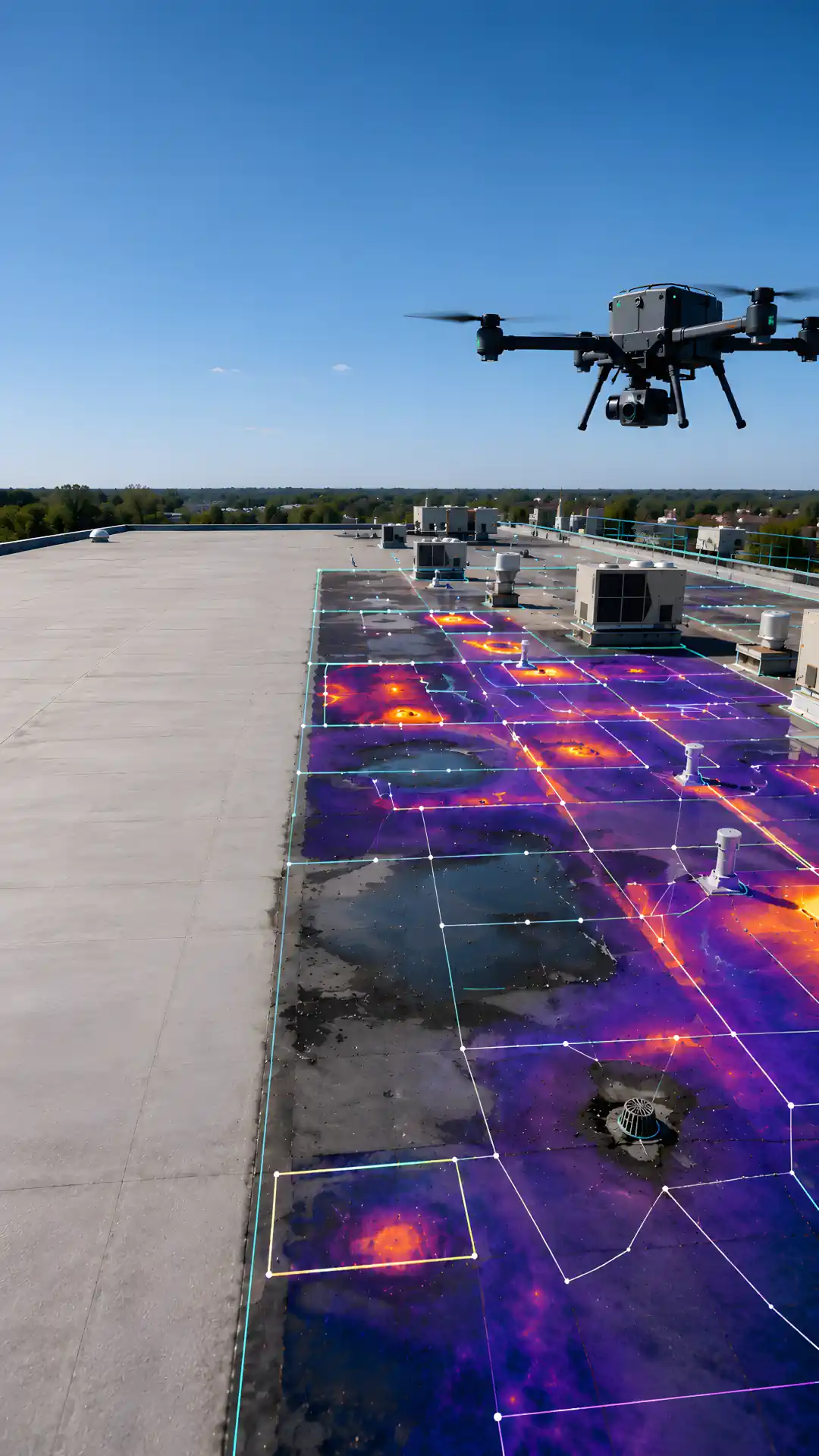
Some roof problems are easy to miss in visible imagery. Thermal imaging helps reveal abnormal temperature patterns that can make a suspicious area stand out and show where a closer inspection is needed.
01 — FIND WHAT RGB CAN MISS
RGB View
A small puncture, membrane defect, seam issue or affected area can blend into a large roof surface and be easy to overlook.
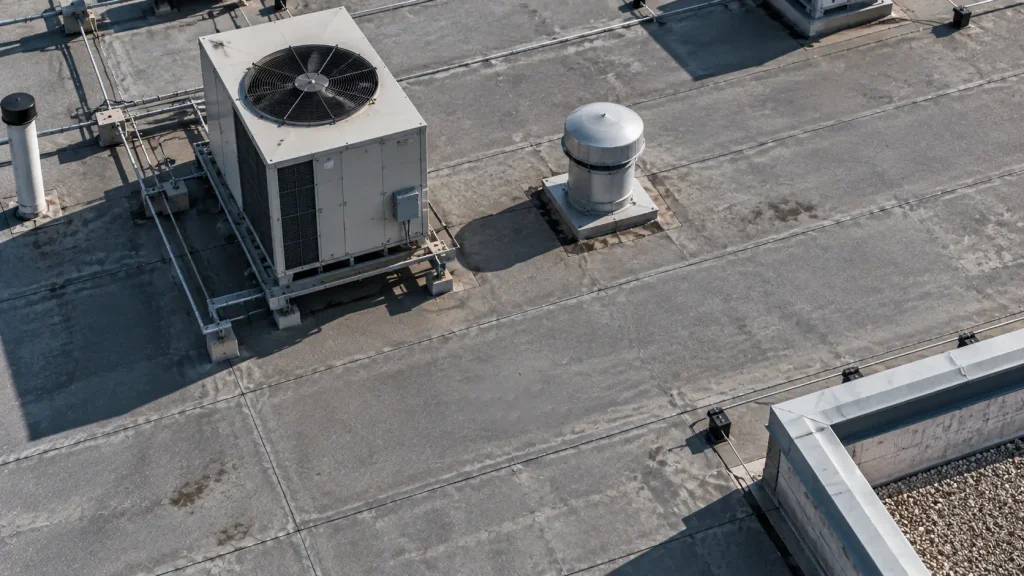
Thermal View
Temperature contrast can make the same area stand out, helping the inspector focus on a location that may look normal in RGB.
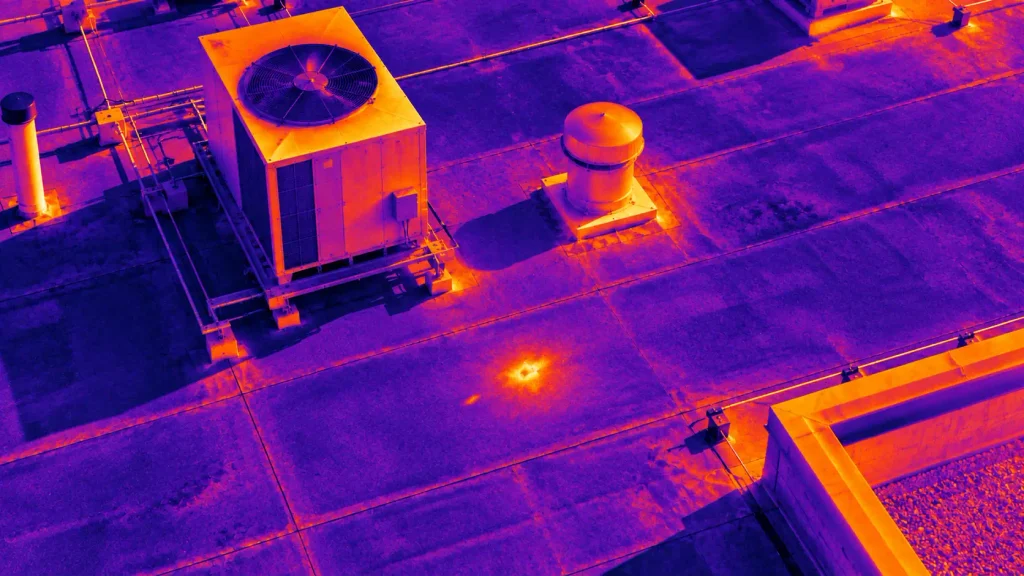
Visible Inspection
Shows the physical roof surface and visible damage.
Useful for documenting cracks, punctures, seams, flashing and surface condition.
Thermal Screening
Highlights abnormal temperature patterns across the roof.
Helps direct attention to areas that may deserve a closer visual inspection.
Thermal imaging is useful because a roof problem does not have to look obvious in RGB to create a detectable temperature pattern.
It can help you find where to look next, but the thermal anomaly itself does not prove a leak or identify the cause.
Why Thermal Can Reveal Roof Problems RGB May Miss
A visible-light image shows the roof surface, but small defects can be difficult to notice when they occupy only a few pixels or visually blend into a large, uniform membrane.
A small puncture, seam defect, damaged membrane area or other local problem may be present without being immediately obvious during a wide RGB scan.
Thermal imaging adds a second type of information: surface temperature. When a roof area heats or cools differently from the surrounding material, that contrast can make the affected zone easier to notice.
Depending on roof construction and inspection conditions, unusual thermal patterns may be associated with moisture-related conditions, insulation irregularities, trapped heat, material differences or other areas that deserve closer investigation.
That is the practical value of thermal inspection: instead of relying only on what is visually obvious, the operator can use temperature contrast to prioritize specific roof areas for closer RGB review or follow-up testing.
Thermal does not make every defect visible and it does not automatically identify the cause.
A puncture or leak may produce little or no useful thermal contrast under poor inspection conditions, while other non-defect conditions can also create temperature differences.
For that reason, thermal findings should be interpreted together with RGB imagery, roof construction, weather and inspection timing.
The useful workflow is simple: thermal helps flag a suspicious area, RGB helps locate and document the physical roof feature, and follow-up inspection is used when the cause needs to be confirmed.
The benefit is not that thermal replaces visual inspection. It reduces the chance that a visually subtle area is ignored simply because nothing obvious stands out in the RGB image.
Roof Inspection Software and Data Workflow
ROOF INSPECTION DRONE SYSTEMS USE COMPATIBLE SOFTWARE TO PLAN FLIGHTS, CAPTURE VISUAL OR THERMAL DATA, REVIEW ROOF CONDITIONS, MEASURE AREAS AND FEATURES, AND DOCUMENT INSPECTION RESULTS.
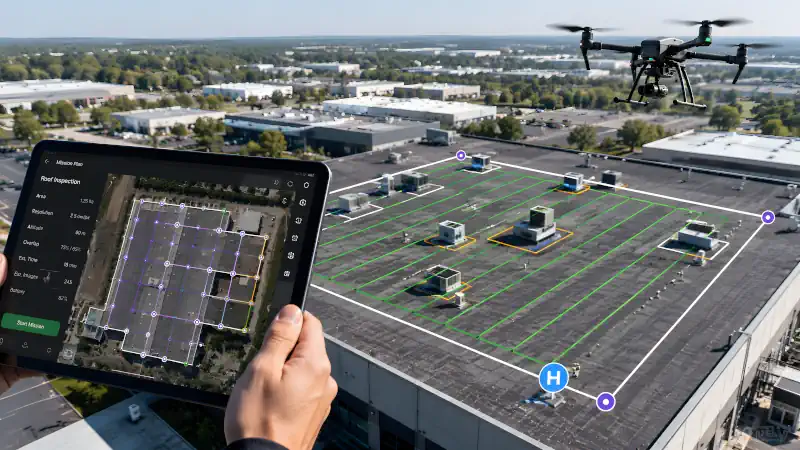
Flight Planning and Roof Coverage
PLAN CONSISTENT FLIGHT PATHS AROUND COMMERCIAL AND INDUSTRIAL ROOFS TO CAPTURE THE REQUIRED AREAS, EDGES, PENETRATIONS, AND ROOFTOP EQUIPMENT.
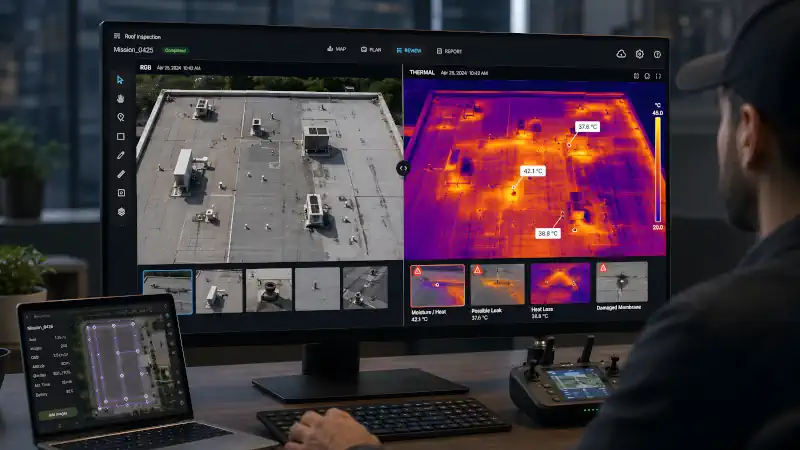
Visual and Thermal Data Review
REVIEW HIGH-RESOLUTION RGB IMAGERY AND, WHEN EQUIPPED, THERMAL DATA TO IDENTIFY VISIBLE DAMAGE, MOISTURE-RELATED ANOMALIES, HEAT LOSS, AND AREAS REQUIRING CLOSER INSPECTION.
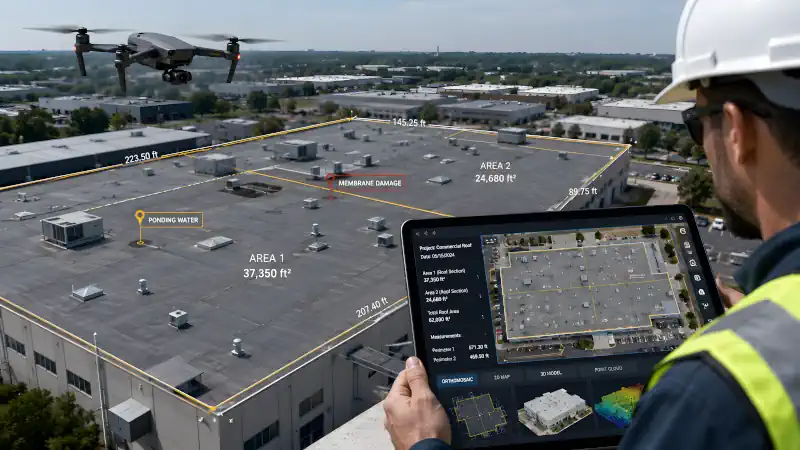
Roof Measurements and Mapping
GENERATE MEASUREMENTS, ORTHOMOSAICS, 2D MAPS, OR 3D MODELS FOR ROOF DIMENSIONS, SURFACE AREAS, DAMAGE DOCUMENTATION, AND PROJECT PLANNING.
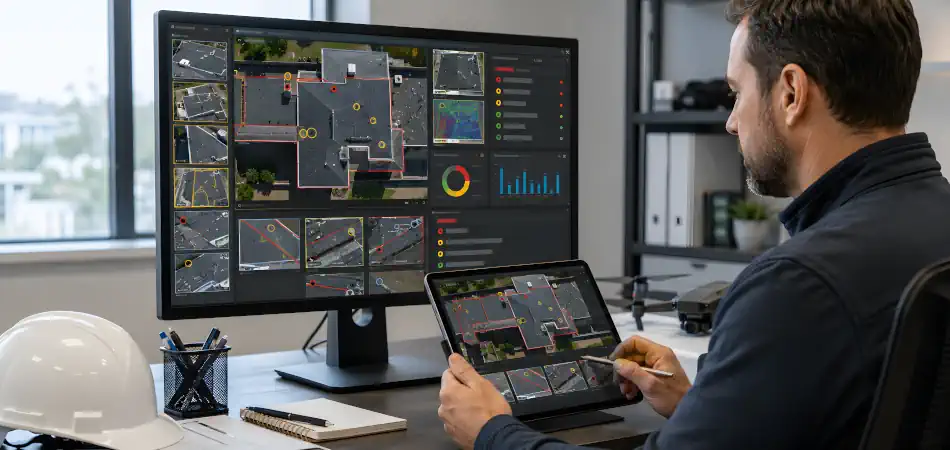
Inspection Documentation and Reporting
ORGANIZE IMAGES, ANNOTATIONS, MEASUREMENTS, AND INSPECTION FINDINGS INTO A CLEAR DIGITAL RECORD THAT CAN BE USED FOR REPORTING, MAINTENANCE PLANNING, CLAIMS, OR FOLLOW-UP WORK.
WHAT ROOF INSPECTION DRONES CAN DO
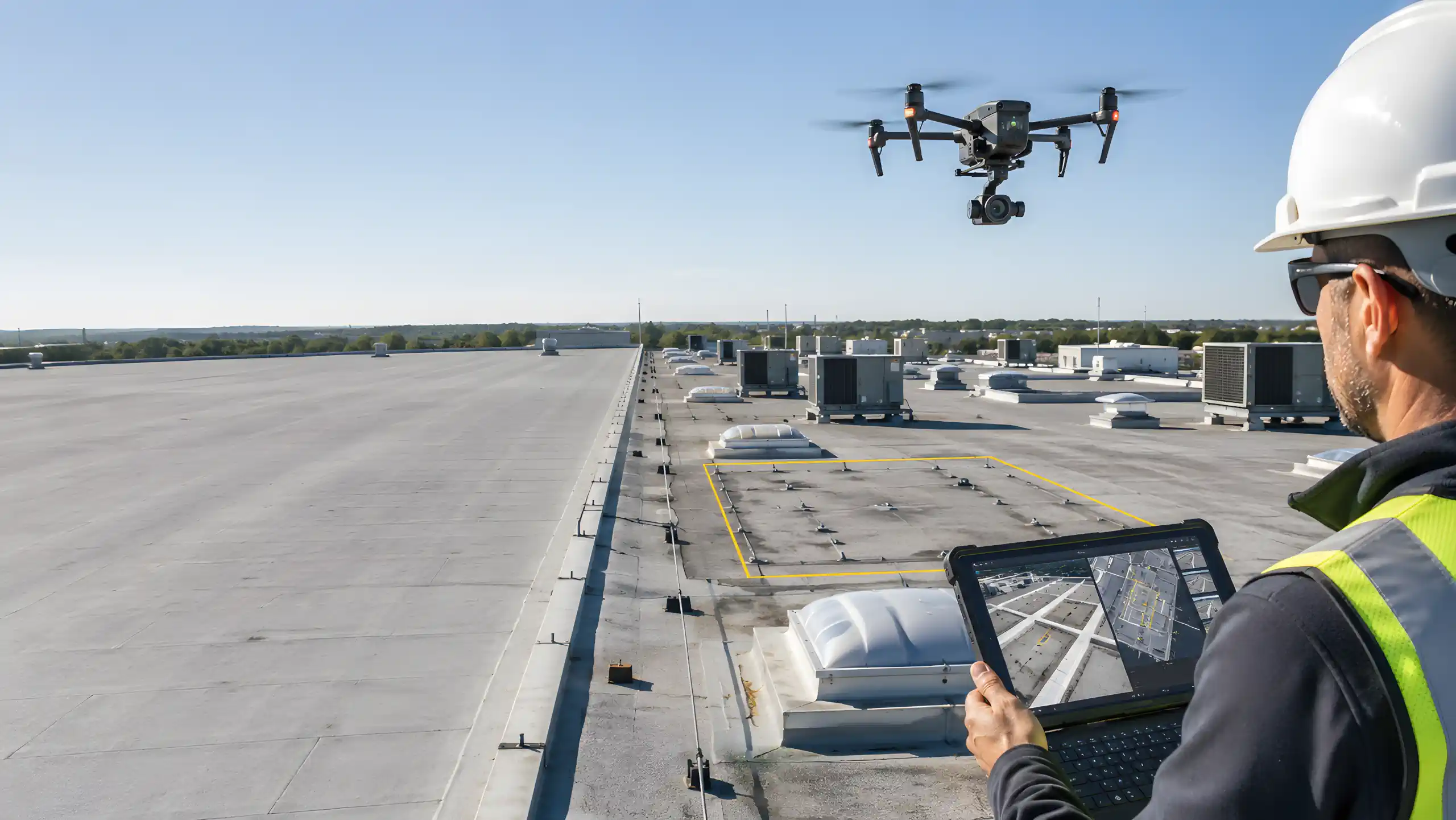
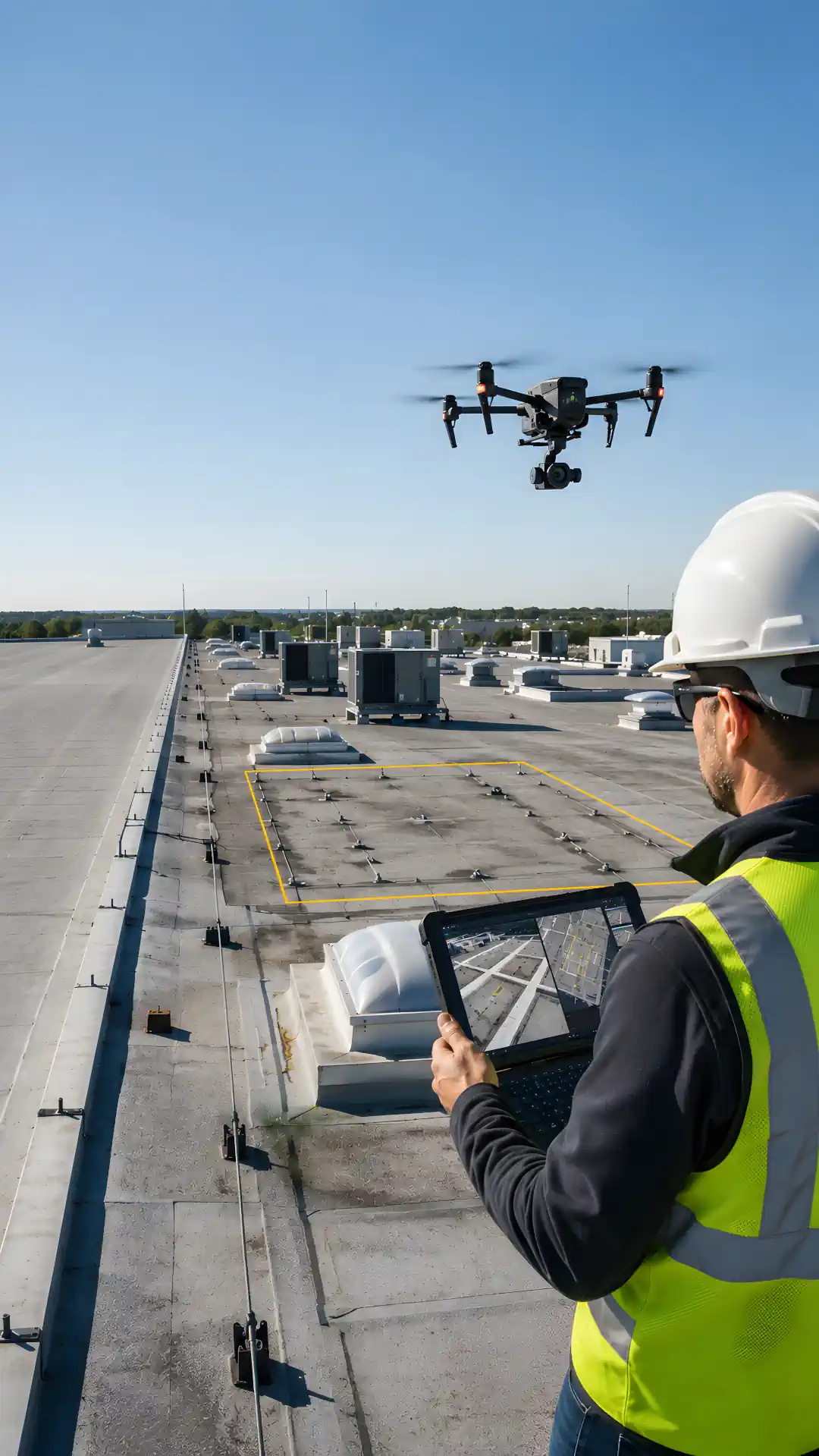
Professional roof inspection drones are selected around the evidence the job must produce. Depending on the camera, payload, and software, a system can document visible roof condition, capture close-up defect evidence, screen for thermal anomalies when required, support measurements or mapping, and create a repeatable inspection record.
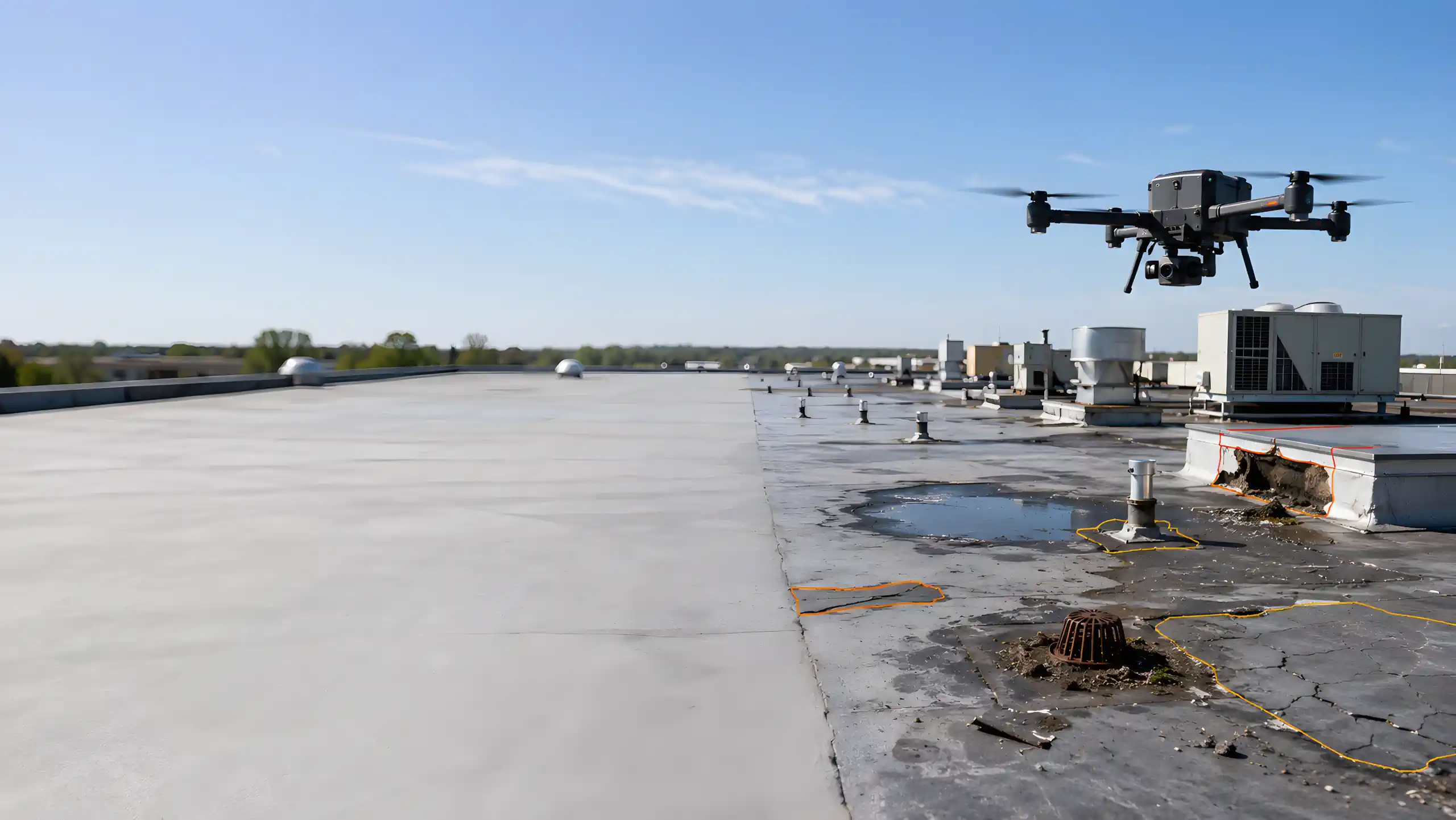
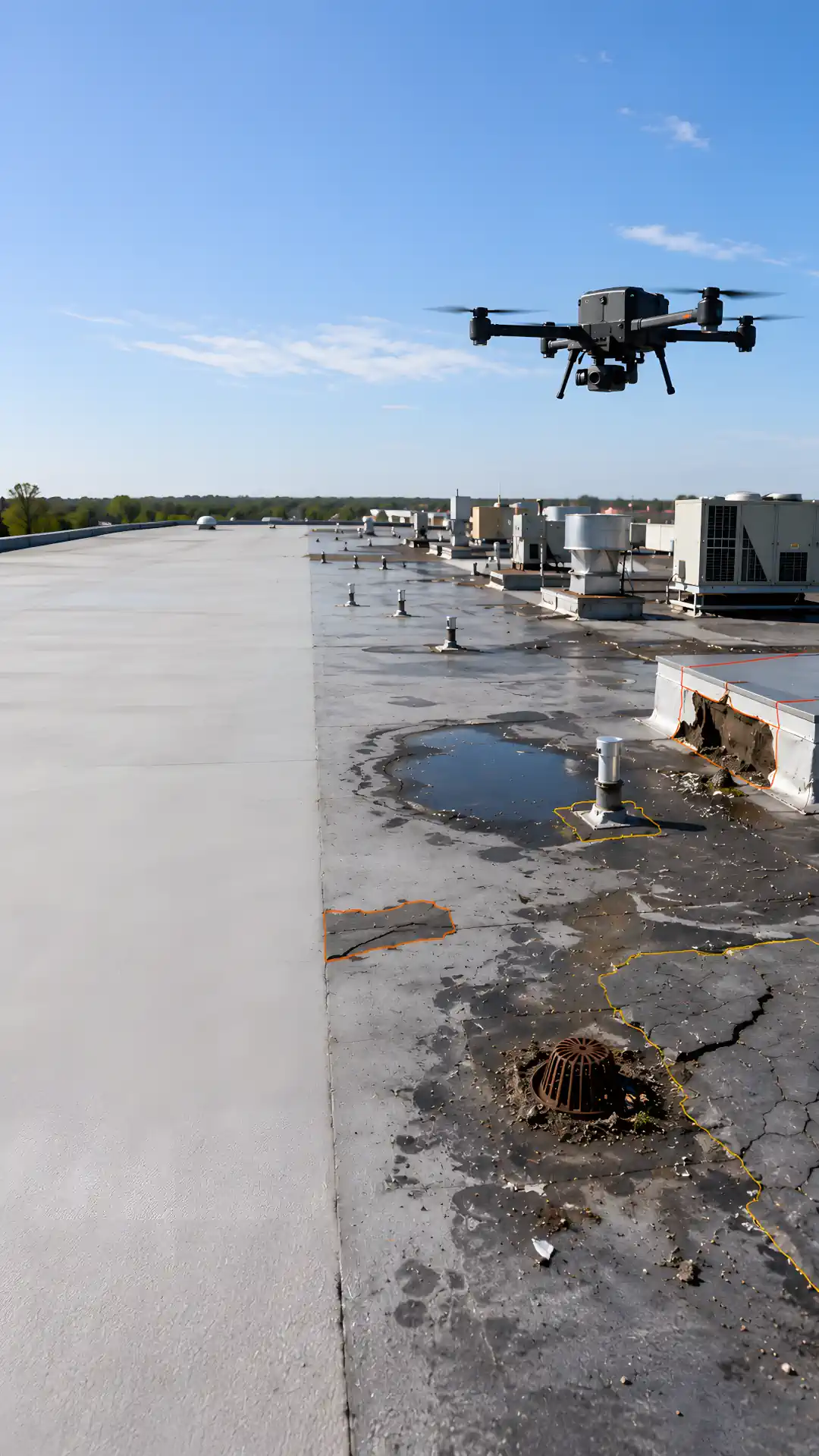
VISUAL CONDITION ASSESSMENT
High-resolution RGB imagery can document roof surfaces, seams, flashing, penetrations, drainage areas, edges, and rooftop equipment.
Overview and oblique views help inspectors understand roof condition and identify where closer inspection or additional evidence is required.
DEFECT DOCUMENTATION
Closer imagery or optical zoom can document punctures, open seams, damaged flashing, displaced materials, ponding, and other visible roof defects.
Useful defect evidence should show the affected roof feature clearly enough for review, reporting, and follow-up—not simply show the roof from the air.
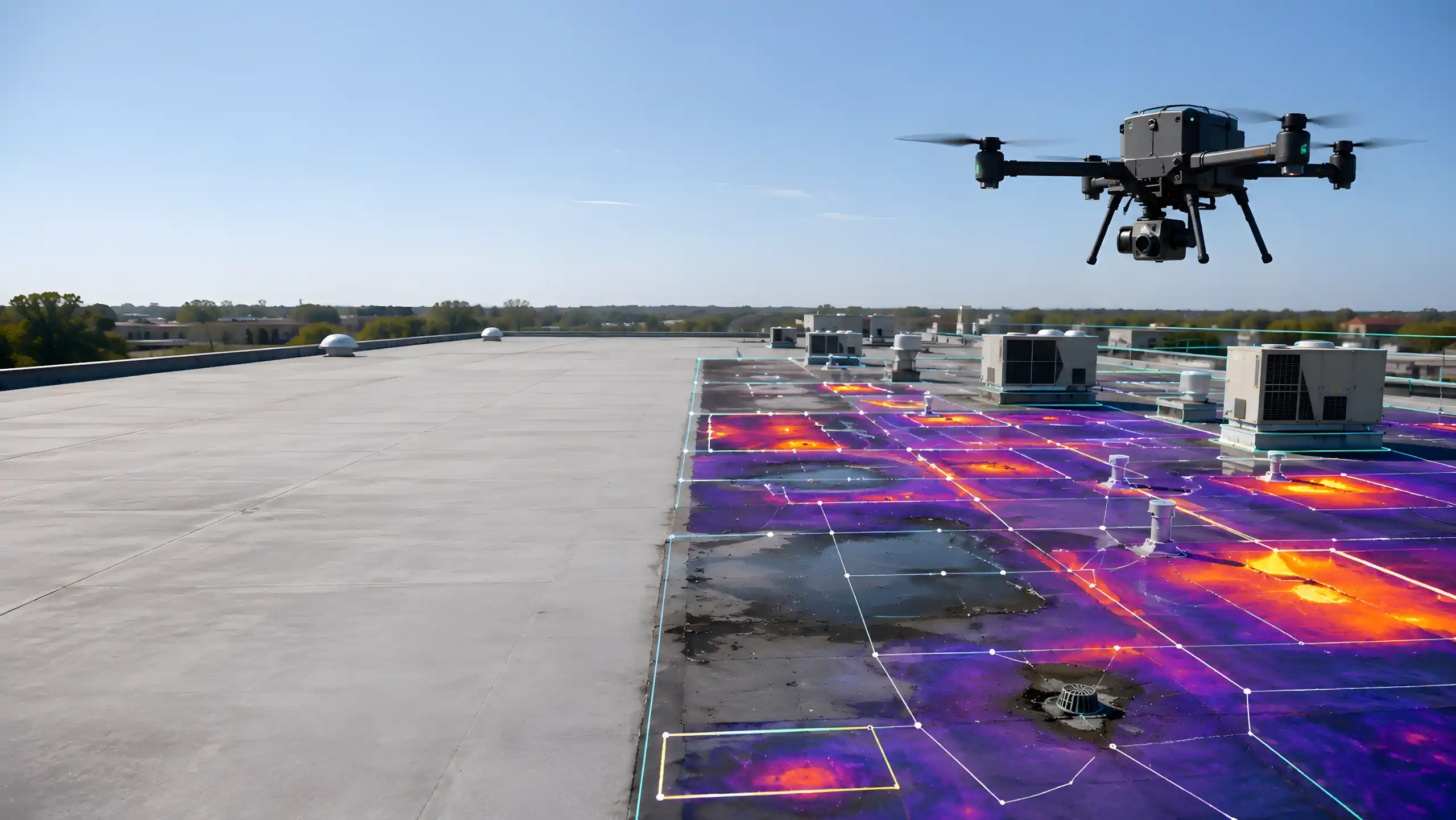
THERMAL SCREENING WHEN REQUIRED
When required, a compatible thermal payload can identify temperature anomalies that may indicate areas needing moisture investigation, insulation review, or additional on-site testing.
Thermal findings are screening evidence rather than automatic confirmation of a leak or moisture source and should be verified when repair decisions depend on them.
MEASUREMENTS & MAPPING WHEN REQUIRED
Overlapping imagery and compatible software can produce roof dimensions, surface areas, orthomosaics, maps, and other spatial outputs when the inspection requires them.
Measurement quality depends on the capture and positioning workflow, so projects with defined accuracy requirements should use a configuration matched to that requirement.
HARD-TO-REACH ROOF AREAS
Drone-assisted roof inspection can document roof edges, elevated sections, rooftop equipment, and areas that are inefficient or difficult to approach manually.
Working distance, viewing angle, obstacles, and the required visible detail determine the camera and aircraft capability needed for those areas.
INSPECTION RECORDS & REPEAT VISITS
Images, annotations, measurements, and findings can be organized into a digital inspection record for reporting, maintenance planning, claims, and follow-up work.
Repeat inspections can document changes after storms, repairs, or scheduled maintenance when capture conditions and inspection settings are controlled.
Close-Range RGB vs Stand-Off Optical Zoom
Two roof inspection cameras with similar headline resolution can produce very different usable detail. Working distance, lens field of view, and optical zoom determine how much of a small roof feature reaches the final image.
02 — USABLE IMAGE DETAIL
Close-Range RGB
When safe access allows closer inspection
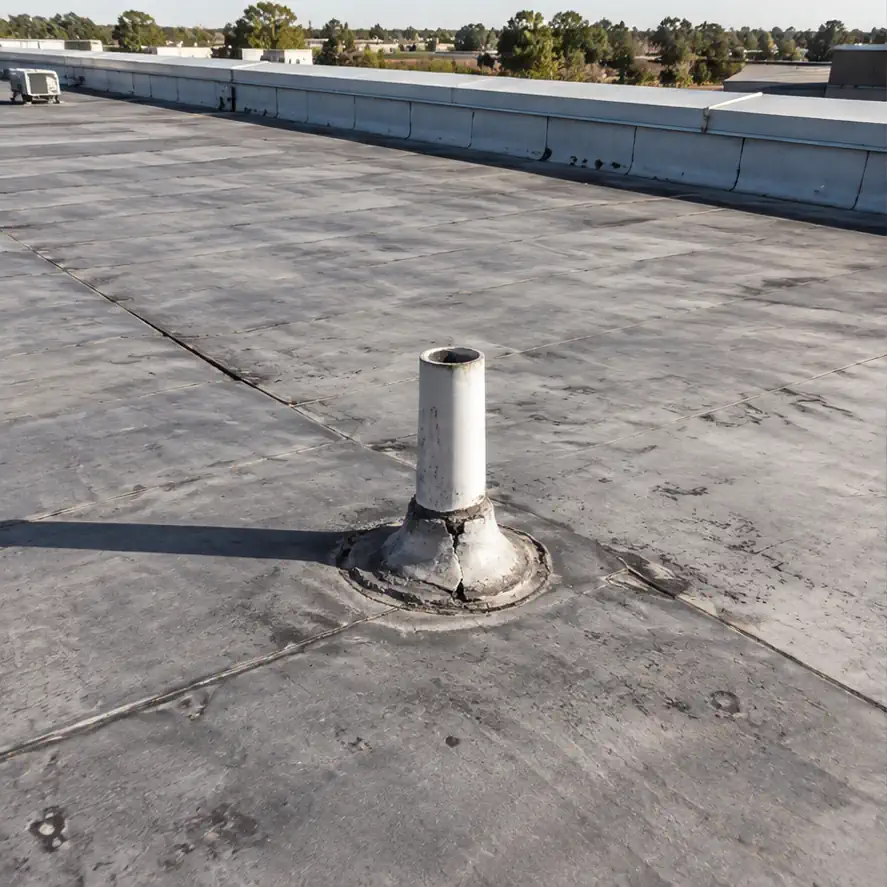
Strong detail on seams, flashing, membrane defects, and penetrations
Wide-to-normal field of view keeps roof context around the target
Requires practical access and safe separation around the feature
Required Roof Detail
Can the system resolve the smallest feature from the distance you can actually fly?
Stand-Off / Optical Zoom
When additional separation is required
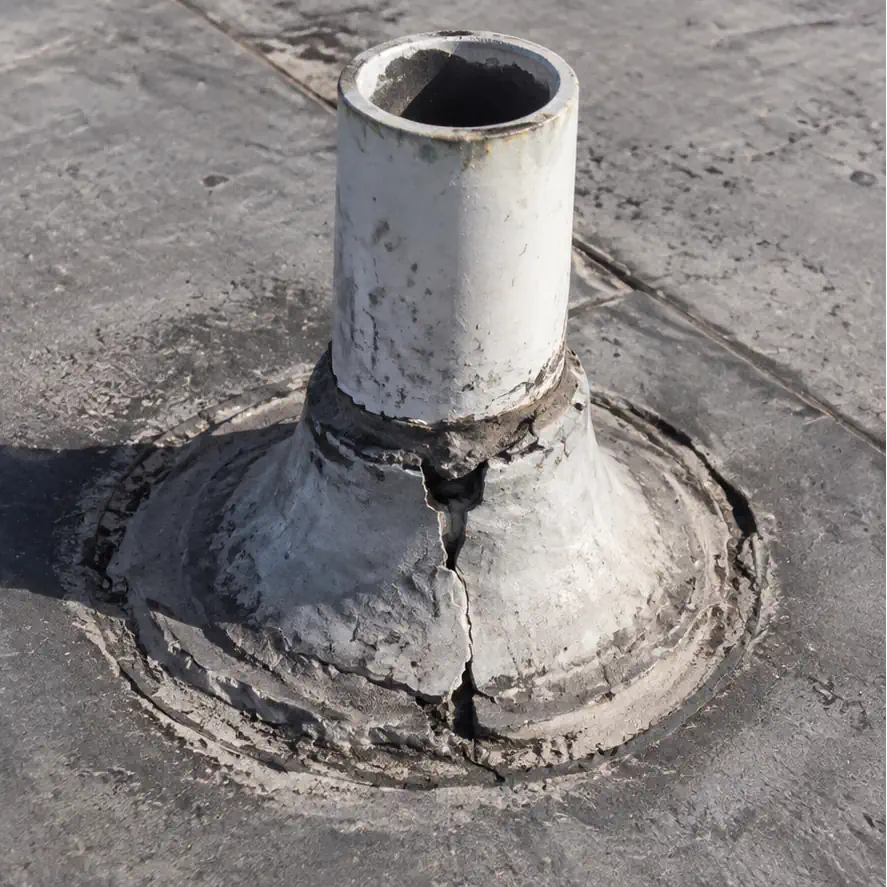
Places more image detail on small targets without moving closer
Useful around roof edges, HVAC, parapets, and obstructed approaches
Extends useful inspection distance for visible documentation
Camera Resolution
Provides source image detail.
Megapixels alone do not define useful inspection range.
Optical Zoom
Narrows the field of view so a small roof feature fills more of the image.
Useful when closer flight is undesirable.
How Working Distance Changes Roof Inspection Detail
For aerial drone roof inspection, camera resolution alone does not determine whether a small roof feature will be documented clearly.
Target size, lens field of view, working distance, viewing angle, focus, lighting, and aircraft stability all affect usable image detail.
Close-range RGB inspection can provide strong detail when the aircraft can safely approach the roof and maintain a useful viewing angle.
This can be effective for documenting membrane damage, seams, flashing, penetrations, drainage areas, and other visible roof conditions.
Optical zoom becomes more valuable when a small roof feature must be documented while the drone maintains greater stand-off distance.
Roof edges, elevated equipment, parapets, difficult approach angles, and rooftop obstacles can make additional separation desirable during inspection.
Camera resolution, field of view, and optical zoom should therefore be evaluated together with the real working distance required for the job.
The useful question is not simply how many megapixels the camera has. It is whether the drone with camera for roof inspection can resolve the required feature from the distance it can actually operate.
What Drives the Cost of a Roof Inspection Drone System
The core cost of a roof inspection drone system is driven mainly by the aircraft platform and the inspection payload. Integration and compliance can add cost, while accessories, training, and support are optional additions.
03 — CORE SYSTEM COST
Aircraft Platform
The aircraft sets the base platform cost
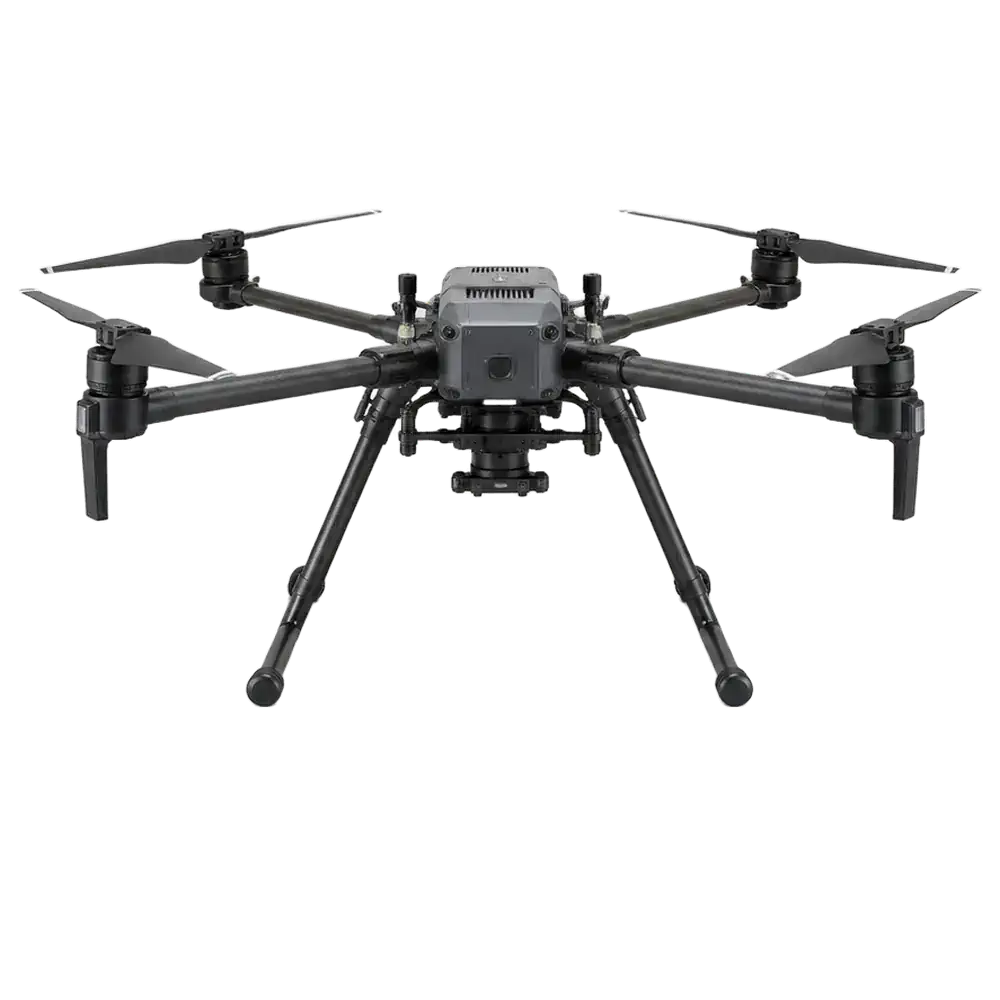
Integrated and compact platforms generally carry simpler payload requirements
Payload capacity, endurance, redundancy, and compliance affect platform class
The aircraft must support the required inspection payload and operating conditions
Inspection Payload
The sensor package can be a major part of total system price
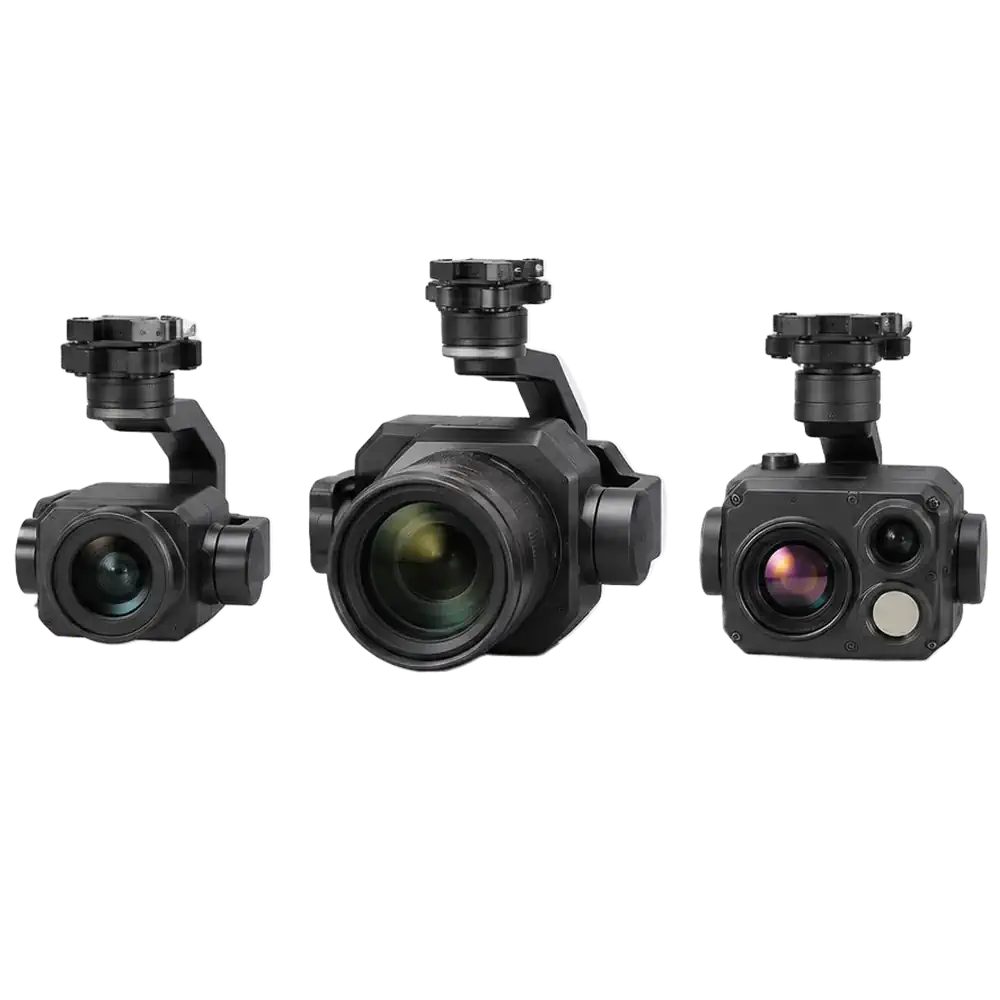
RGB, optical zoom, thermal, EO/IR, or specialized payloads have very different costs
Radiometric sensors, zoom optics, and interchangeable gimbals increase payload cost
Payload capability should match the inspection data that must actually be collected
Platform Type
Integrated, compact, or payload-capable aircraft sets the base cost
Payload Capability
RGB, zoom, thermal, EO/IR, or specialized sensors drive payload cost
Integration + Compliance
Mounting, power, control, data, testing, and NDAA requirements can add cost
Compare the aircraft platform and inspection payload together — they define the core system price.
Accessories, extra batteries, cases, training, and support should be compared separately because they are optional additions rather than the primary cost drivers.
How Platform and Payload Drive Roof Inspection Drone Cost
When comparing roof inspection drones, separate the core system from optional accessories and services.
The aircraft platform creates the base cost and determines what payload weight, power, endurance, and integration the system can support.
The inspection payload is the second major cost driver. Standard RGB, optical zoom, radiometric thermal, EO/IR, and other specialized sensors can differ substantially in price.
A more demanding payload can also force a move to a more capable aircraft, so platform and payload cost are linked.
NDAA or other configuration-specific compliance requirements can narrow the available platform and component choices and materially affect cost.
Integration can add cost when the payload requires custom mounting, power, control, data connections, configuration, or testing.
Software may be bundled with the payload or purchased separately, depending on the inspection workflow.
Accessories and services such as extra batteries, chargers, cases, training, setup, and support should be treated as optional additions unless they are included in the quoted system.
For straightforward RGB inspection, an integrated platform may keep the core system cost lower. Specialized payloads or modular platforms can increase cost when the job requires them.
For U.S. commercial buyers, compare equivalent aircraft-and-payload configurations first, then add only the accessories, software, training, or support actually required.
How Roof Inspection Drones Are Used in Practice
Different roof inspection jobs require different capture methods: targeted detail, full-roof coverage, or repeatable follow-up documentation.
Targeted Inspection, Full-Roof Coverage and Repeat Visits
The inspection scope determines how the drone should capture the roof. A known defect, an entire roof surface, and a post-repair follow-up are three different workflows.
04 — INSPECTION WORKFLOWS
Three Common Roof Inspection Workflows
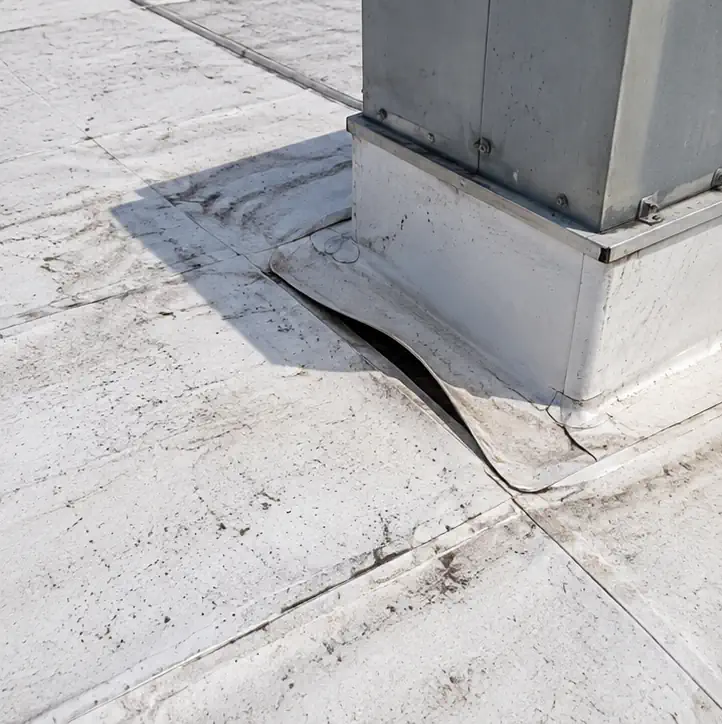
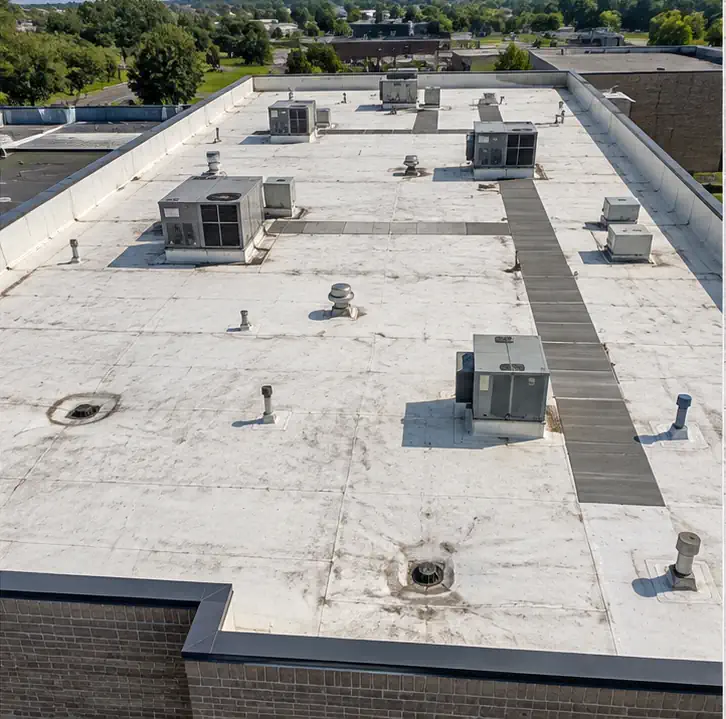
Targeted Detail Inspection
Known defect or roof component
Focused evidence for closer review
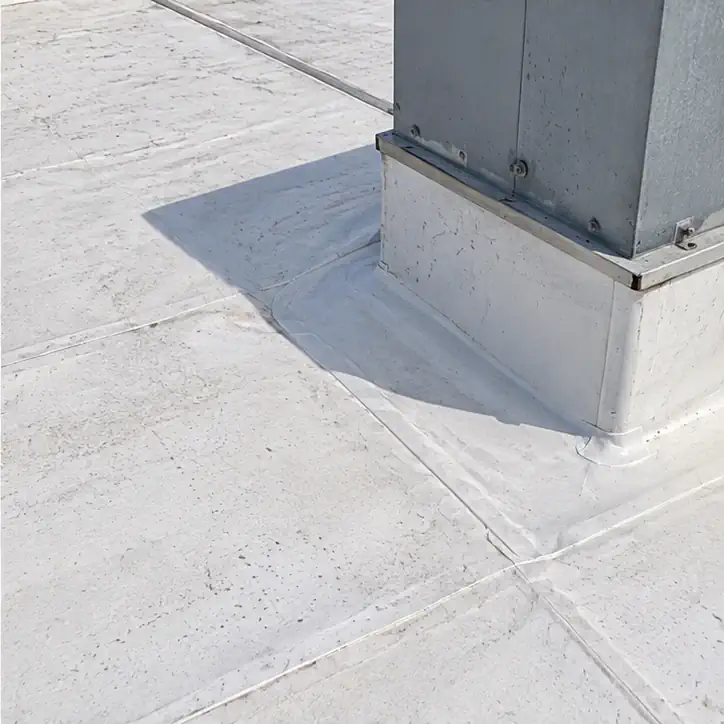
Full-Roof Condition Capture
Systematic coverage of the entire roof
Overall condition and issue location
Repeat / Follow-Up Inspection
Revisit the same roof areas
Document changes after repair, storms, or maintenance
What Changes the Inspection Approach
Inspection scope
Is the job focused on one issue or the entire roof?
Area to cover
One feature, one roof zone, or the complete roof surface?
Required evidence
Overview images, close-up defect evidence, thermal data, or measurements?
Capture method
Targeted manual inspection or systematic planned coverage?
Repeatability
Will the same roof areas need to be inspected again later?
Positioning
Does the workflow need consistent viewpoints or georeferenced capture?
Site constraints
Do edges, HVAC, parapets, obstacles, or access limit the flight path?
Deliverable
Are the outputs photos, annotated findings, comparison records, maps, or measurements?
Choose the capture workflow around the inspection task and the evidence the client needs.
How the Inspection Scope Changes the Capture Plan
Roof inspection work can range from a focused look at one known problem area to systematic documentation of an entire commercial roof.
Targeted detail inspection is appropriate when the job is to document a specific seam, flashing condition, penetration, repair area, roof edge, or other known feature.
Full-roof condition capture is different: the goal is consistent coverage across the roof surface so inspectors can review overall condition and identify areas that need closer examination.
Larger roofs may benefit from a planned capture pattern so coverage is systematic rather than a collection of unrelated photographs.
Repeat inspections give a roof inspection drone another important role: revisiting the same roof areas after repairs, storms, maintenance, or scheduled inspections to document what changed.
Consistent viewpoints, flight paths, image coverage, and documentation practices make repeat comparisons more useful.
Thermal imaging, measurements, or mapping can be added when the required deliverable calls for them, but they are not necessary for every roof inspection.
The right capture method is the one that produces the evidence required for that inspection—not the one that uses the most advanced camera.
The selected drone system should support the chosen workflow with enough imaging capability, flight time, positioning, and operating margin for the actual roof.
Integrated vs Modular Roof Inspection Drone Systems
Integrated roof inspection drones are simpler to deploy, while modular UAV platforms provide more flexibility when payload or inspection requirements may change.
05 — SYSTEM ARCHITECTURE
Integrated Roof Inspection Drone
Best for straightforward and repeatable inspection work
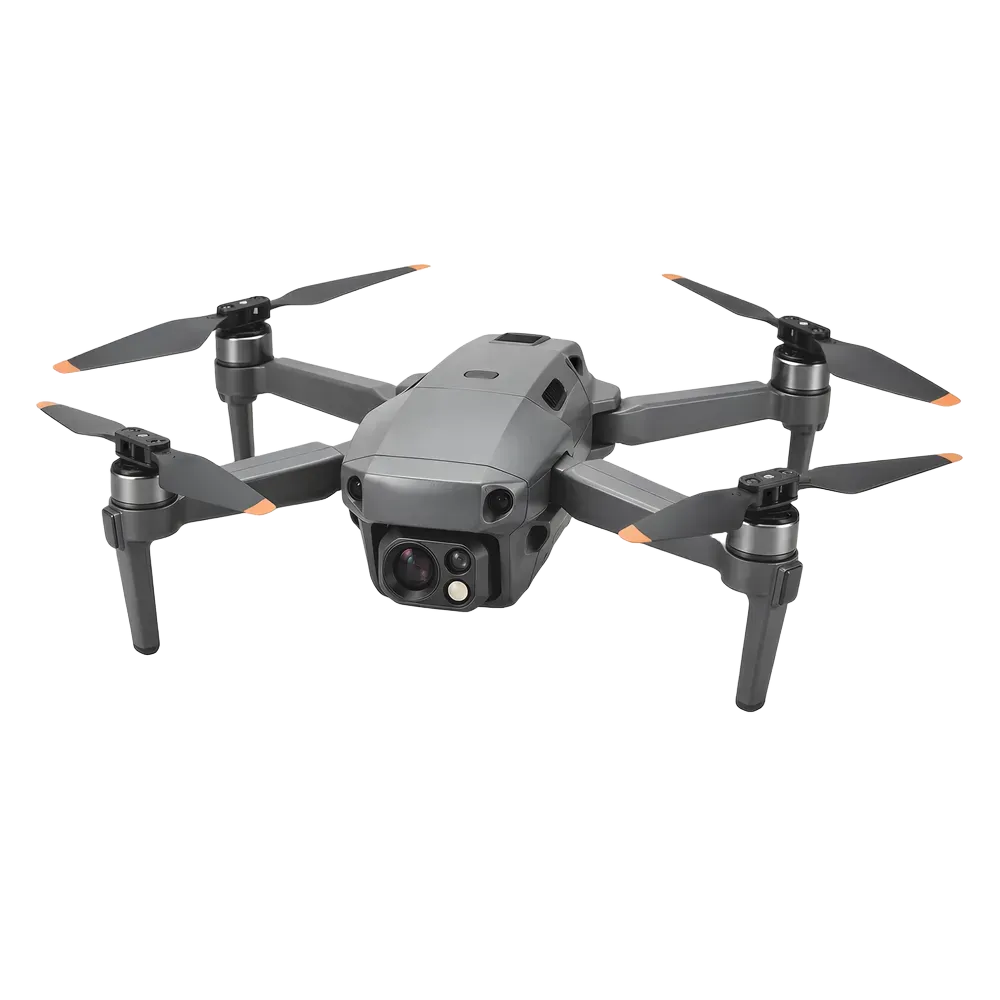
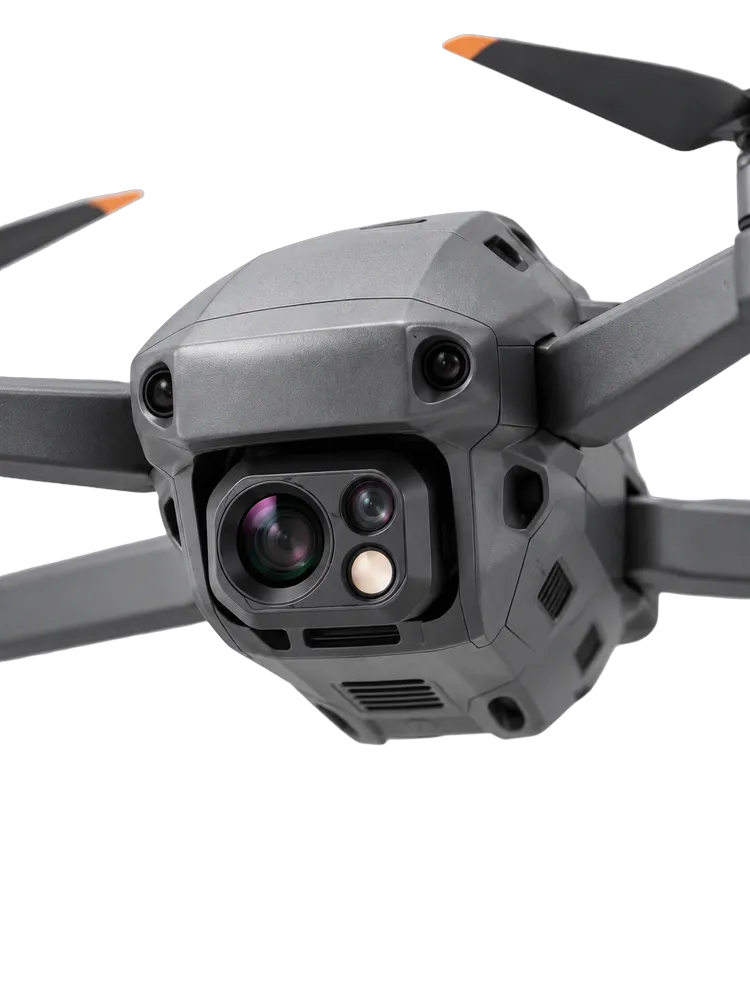
Aircraft and imaging system work as one package
Faster setup with fewer integration decisions
Limited flexibility to change the payload later
Compact system · Integrated camera package
Modular Roof Inspection UAV Platform
Best for specialized or changing inspection requirements
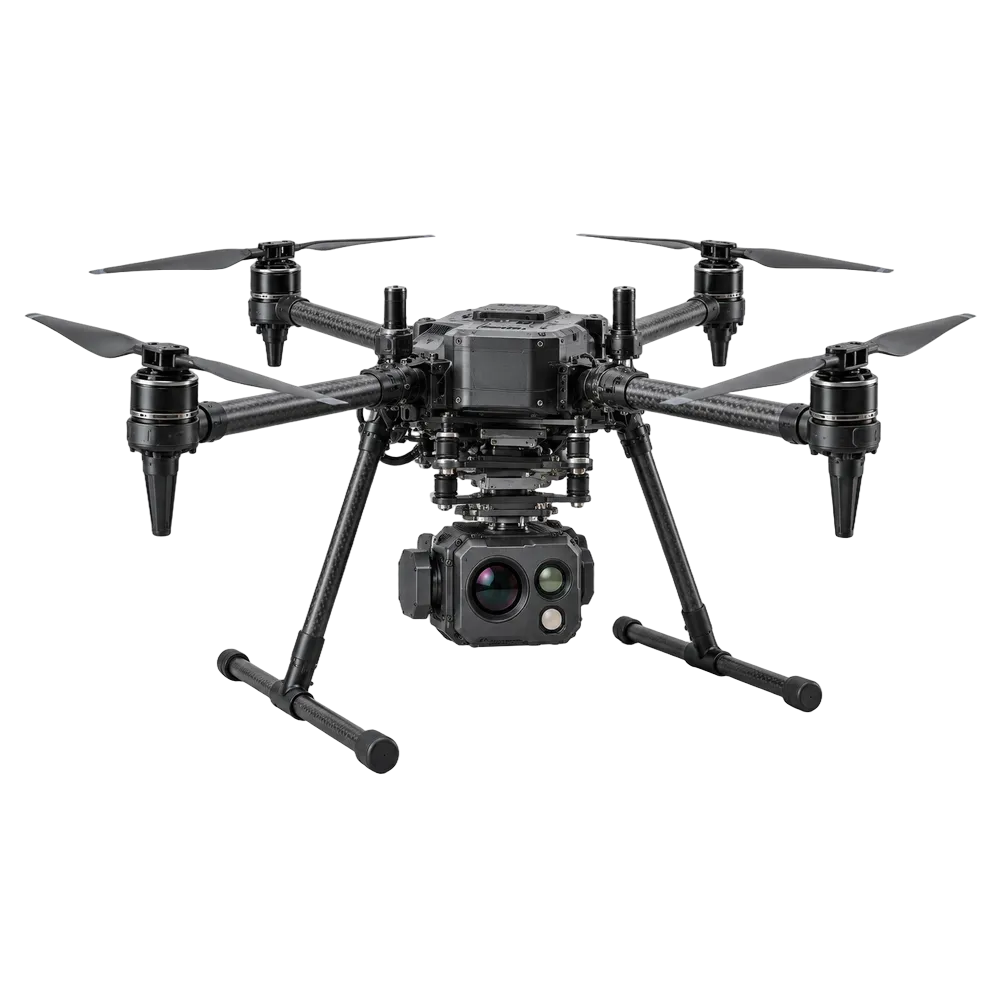
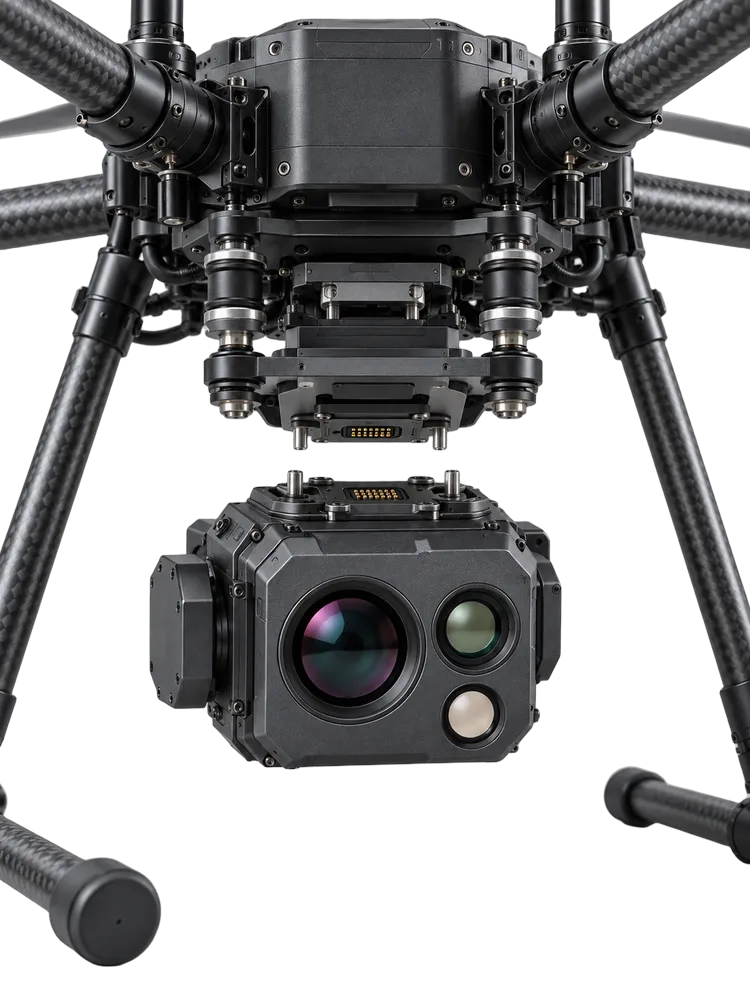
Supports removable or interchangeable payloads
Can be configured for different roof inspection tasks
Aircraft must match payload weight, power, and integration requirements
Flexible platform · Payload selected for the job
Payload Type
Integrated or interchangeable?
Payload Weight
What must the aircraft carry?
Integration
Mount, power, control, and data
Future Use
Will the inspection requirements change?
System Fit
Choose the architecture around the work
Choose the system architecture around the inspection work — not the aircraft alone.
Integrated systems reduce configuration complexity. Modular platforms make more sense when payloads or inspection requirements may change.
How to Choose Between Integrated and Modular Roof Inspection Drones
Integrated roof inspection drones combine the aircraft and imaging system into one package, which can simplify deployment and daily operation.
They are a strong fit when the same inspection workflow will be repeated regularly and the built-in camera already provides the required capability.
The trade-off is flexibility: an integrated system may offer limited options to change the payload or add a different sensor later.
Modular roof inspection platforms separate the aircraft from the payload, allowing the camera or sensor package to be selected around the inspection task.
This can support RGB, optical zoom, thermal, mapping, or other specialized payloads, depending on platform compatibility.
Payload weight, power, mounting, control, and data interfaces must all be matched to the aircraft.
A modular platform can also be useful when one aircraft needs to support different inspection configurations over time.
That flexibility usually comes with more integration decisions than an integrated system.
A modular platform is most useful when payload choice or future flexibility justifies the added integration work.
For routine visual roof inspection, an integrated drone may be the simpler choice; for changing or specialized payload needs, a modular platform may be more appropriate.
Frequently Asked Questions About Roof Inspection Drones
What is a roof inspection drone?
A roof inspection drone is an unmanned aircraft equipped with a high-resolution RGB camera, thermal camera, or other imaging payload used to inspect roof surfaces from the air. It can capture detailed imagery of membranes, shingles, flashing, seams, penetrations, drainage areas, rooftop equipment, and other roof components.
What can drones detect during a roof inspection?
Drone roof inspections can help identify visible damage such as cracked or displaced materials, open seams, damaged flashing, ponding water, debris, deteriorated roof sections, and problems around penetrations or rooftop equipment. Thermal-equipped drones can also identify temperature anomalies that may indicate trapped moisture, wet insulation, or heat loss.
Can drones inspect commercial and industrial roofs?
Yes. Drones are particularly useful for inspecting large commercial and industrial roofs, including warehouses, manufacturing facilities, distribution centers, office buildings, and other structures with broad or difficult-to-access roof areas.
Can a drone detect roof leaks?
A drone cannot directly confirm the source of every roof leak, but visual imagery can identify damaged roof components and thermal imaging may reveal temperature patterns associated with trapped moisture or wet insulation. Suspected leak areas should be confirmed with appropriate physical inspection or moisture testing.
Can roof inspection drones detect moisture?
Thermal roof inspection drones can identify temperature differences that may be associated with moisture beneath certain roofing systems. Thermal data does not directly measure moisture, so anomalous areas normally require verification using moisture meters, core sampling, or another appropriate inspection method.
Do roof inspection drones need a thermal camera?
No. High-resolution RGB cameras are suitable for many visual roof inspections and can document surface damage, flashing, seams, drainage problems, and other visible conditions. A thermal camera is useful when the inspection also requires evaluation of temperature differences, possible moisture intrusion, wet insulation, or heat loss.
Can drones measure a roof?
Yes. Compatible drone mapping workflows can generate roof dimensions, surface areas, distances, orthomosaics, 2D maps, and 3D models from overlapping aerial imagery. These outputs can support estimating, material calculations, documentation, and repair planning.
How accurate are drone roof measurements?
Measurement accuracy depends on the aircraft, camera, flight altitude, image overlap, positioning system, processing software, roof geometry, and whether ground control points or RTK positioning are used. Systems intended for measurement work should be selected according to the accuracy required for the project.
What types of roofs can drones inspect?
Drones can inspect many flat and sloped roofing systems, including membrane roofs, metal roofs, asphalt shingles, tile roofs, and other commercial or residential roof types. The appropriate aircraft, camera, flight method, and inspection distance depend on the building and roof configuration.
Can drones reduce the need to access the roof?
Yes. Drones can capture detailed imagery of many roof areas without requiring inspectors to physically access every section. This can reduce unnecessary use of ladders, lifts, scaffolding, and roof walking, although direct access may still be required to verify defects, collect samples, or complete repairs.
What data does a drone roof inspection produce?
Depending on the system, a roof inspection can produce high-resolution photographs, video, thermal imagery, annotated defect images, roof measurements, orthomosaics, 2D maps, 3D models, and digital inspection records for reporting and follow-up work.
What camera is best for roof inspection drones?
For visual inspections, a high-resolution RGB camera with suitable optics provides detailed imagery of roof surfaces and components. Thermal inspections require a compatible infrared camera, while measurement and mapping applications may benefit from calibrated cameras, RTK positioning, or dedicated mapping payloads.
How long does a drone roof inspection take?
Inspection time depends on roof size, building complexity, required image resolution, number of inspection points, payload type, weather conditions, and whether mapping or thermal data is being collected. Large commercial roofs may require multiple flights or battery changes.
How much does a roof inspection drone system cost?
Roof inspection drone prices vary depending on the aircraft, camera or thermal payload, flight time, positioning system, weather resistance, software, compliance requirements, and included accessories. Professional systems designed for commercial inspections generally cost more than basic consumer drones because they are configured for repeatable data collection and inspection workflows.
What should I look for when choosing a roof inspection drone?
Consider camera resolution, thermal capability if required, flight time, wind resistance, operating range, obstacle sensing, mapping compatibility, positioning accuracy, software support, regulatory requirements, and the size and type of roofs you plan to inspect.